Mlekpol - XR LED Advertising Campaign
Five virtual sets prepared for an XR LED shoot, with live changes made on set as the campaign was being filmed.
- CLIENT
- Mlekpol
- CATEGORY
- Virtual Production
- TECH STACK
- XR LEDUnreal EngineAximmetryOn-set
Overview
An advertising campaign shot on an XR LED stage. The production needed five distinct virtual sets, each ready to be lit and filmed as a real environment rather than adjusted in post.
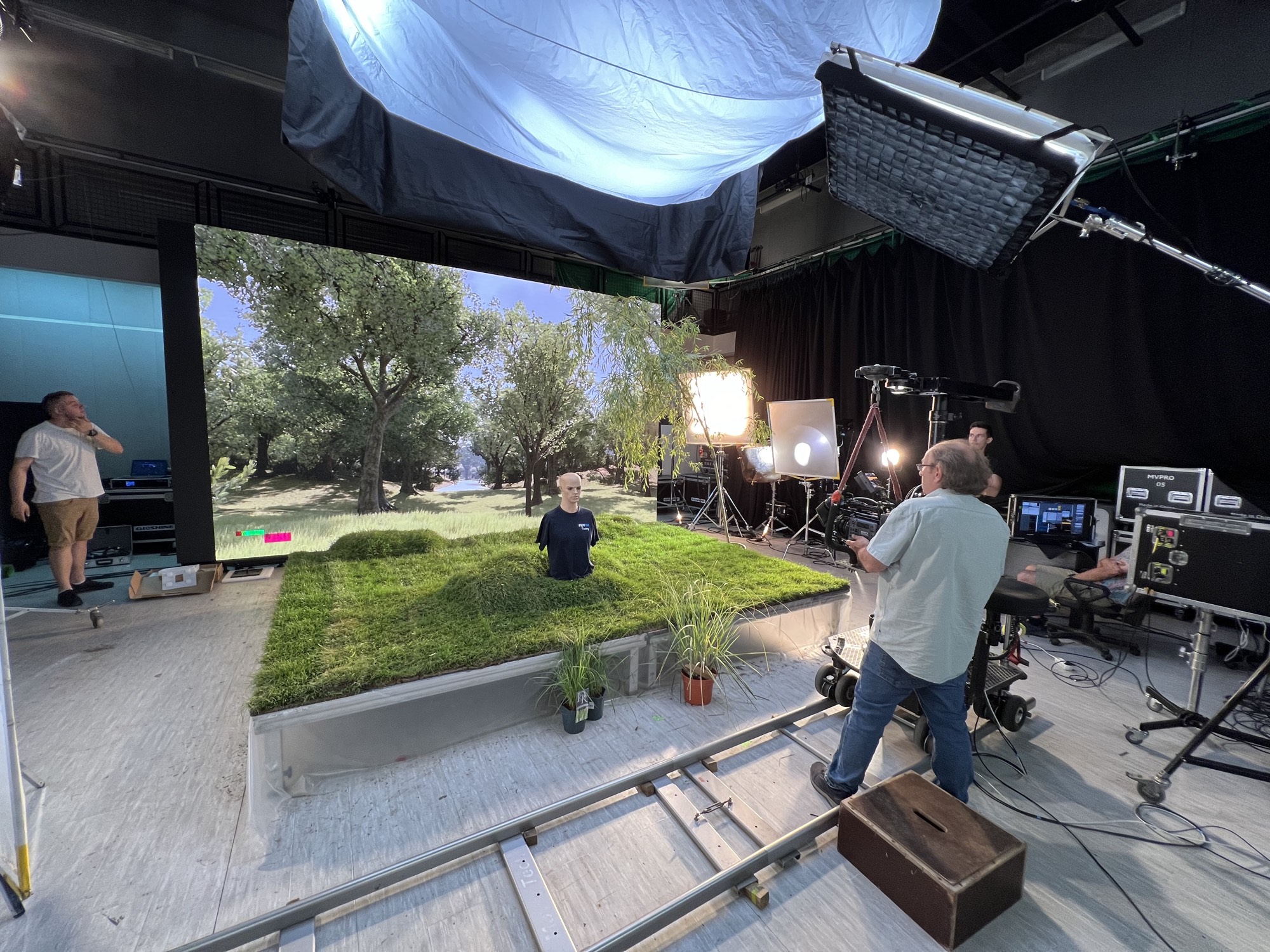
Where the set stops and the engine starts
The photograph above is the whole technique in one frame. Real turf, real plants and a real riser are built out from the bottom of the LED wall, and the Unreal Engine environment continues from exactly where they end. Get the scale, the horizon and the light direction right and the camera cannot find the seam - get any of them wrong and the shot is unusable no matter how good the render is.
That is why these environments are built differently from a beautiful still. The scene has to hold up from the specific camera positions the crew will actually use, at the height the lens sits, with the practical set in frame.
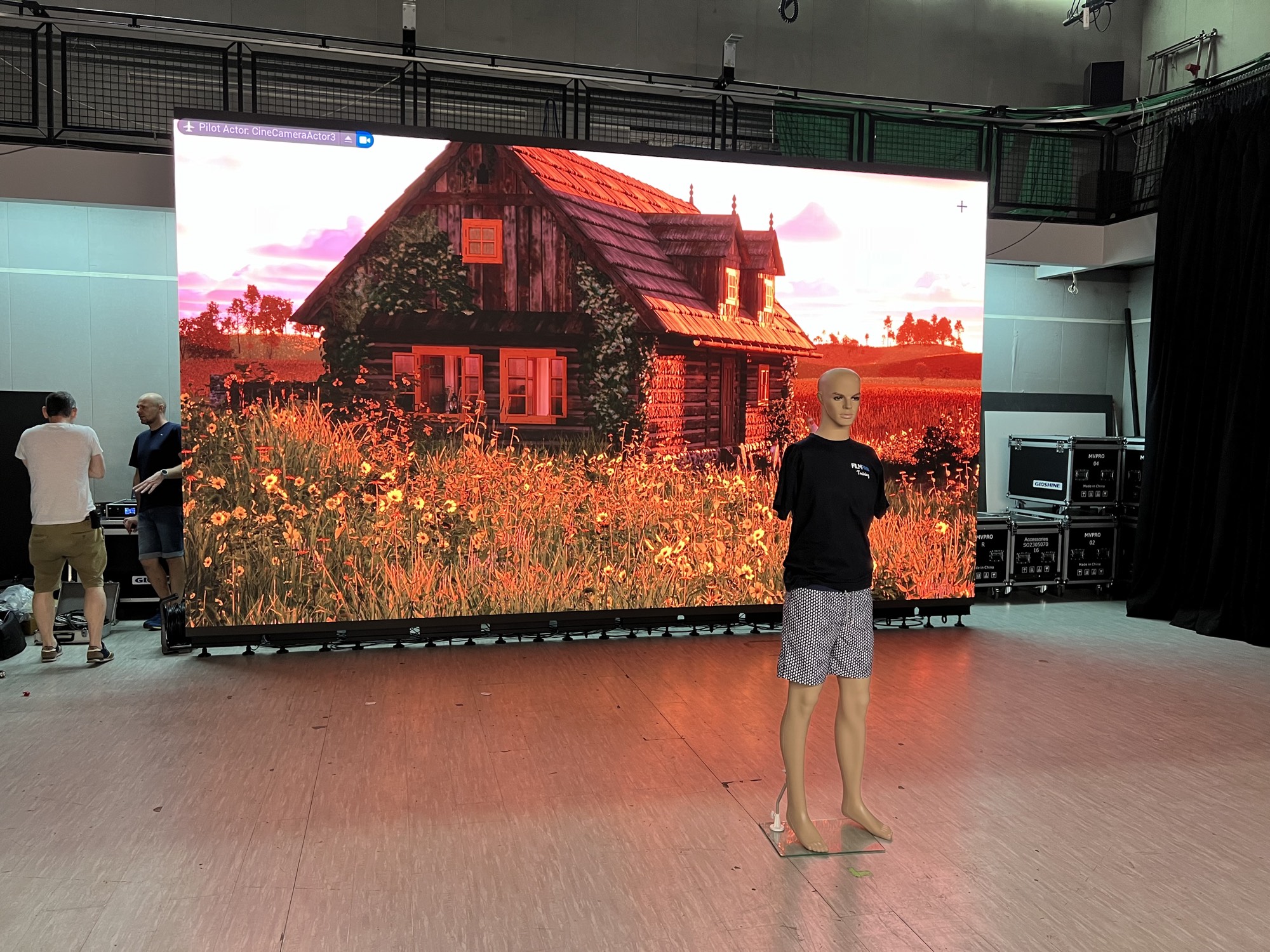
The mannequin is part of that process - a stand-in used to judge how the wall lights a subject before anyone is asked to stand there.
What makes the wall behave like a real location
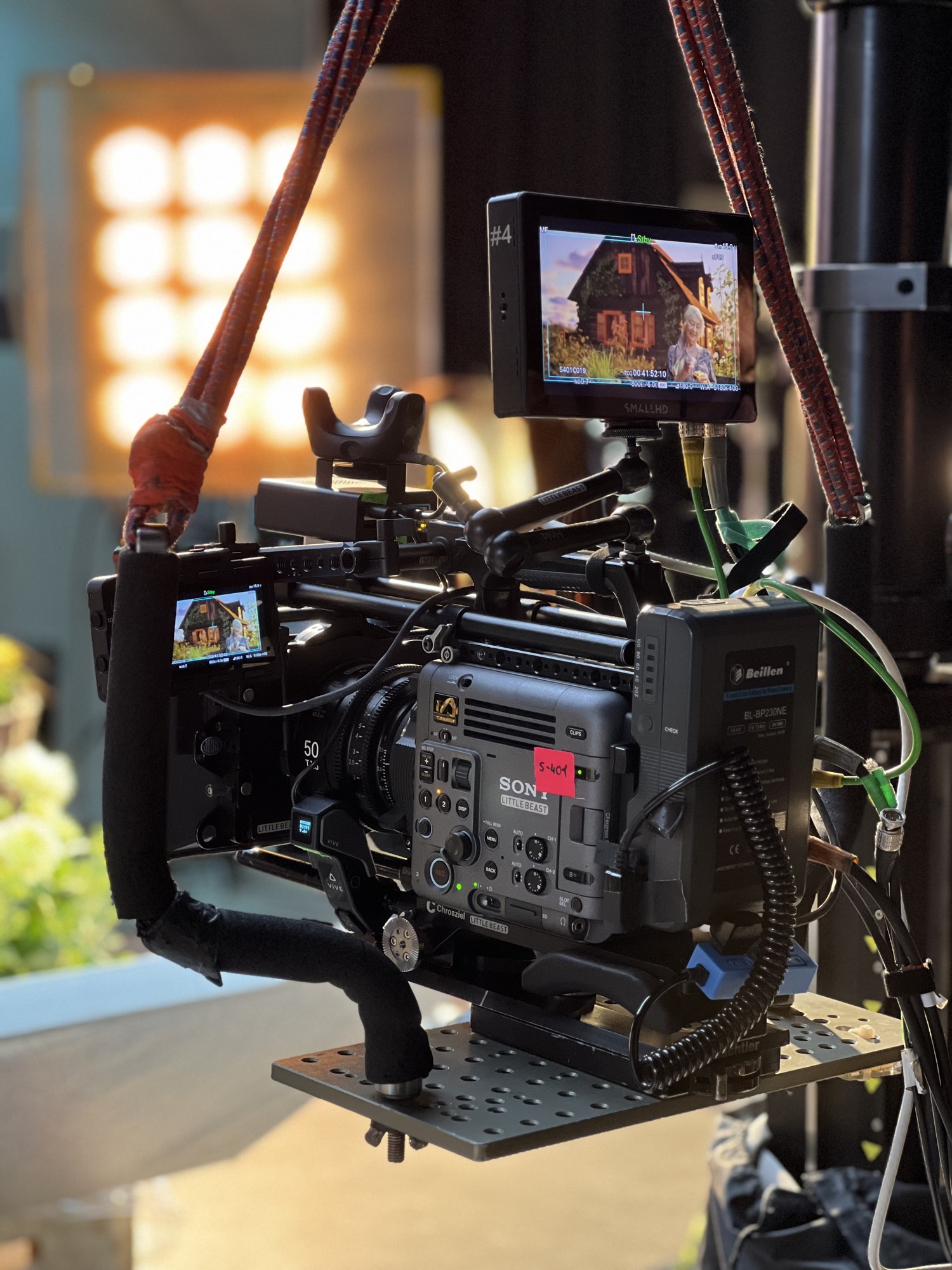
The tracker on the camera body is the piece that turns a large screen into a location. It reports where the lens is, the engine redraws the environment from that exact viewpoint, and the parallax comes out right as the camera moves. Take the tracking away and the wall goes back to being a flat backdrop that dies the moment the camera travels.
Everything downstream depends on this loop keeping up. The environment has to render fast enough to stay in step with a moving camera - which is the whole reason optimisation matters more here than image quality alone.
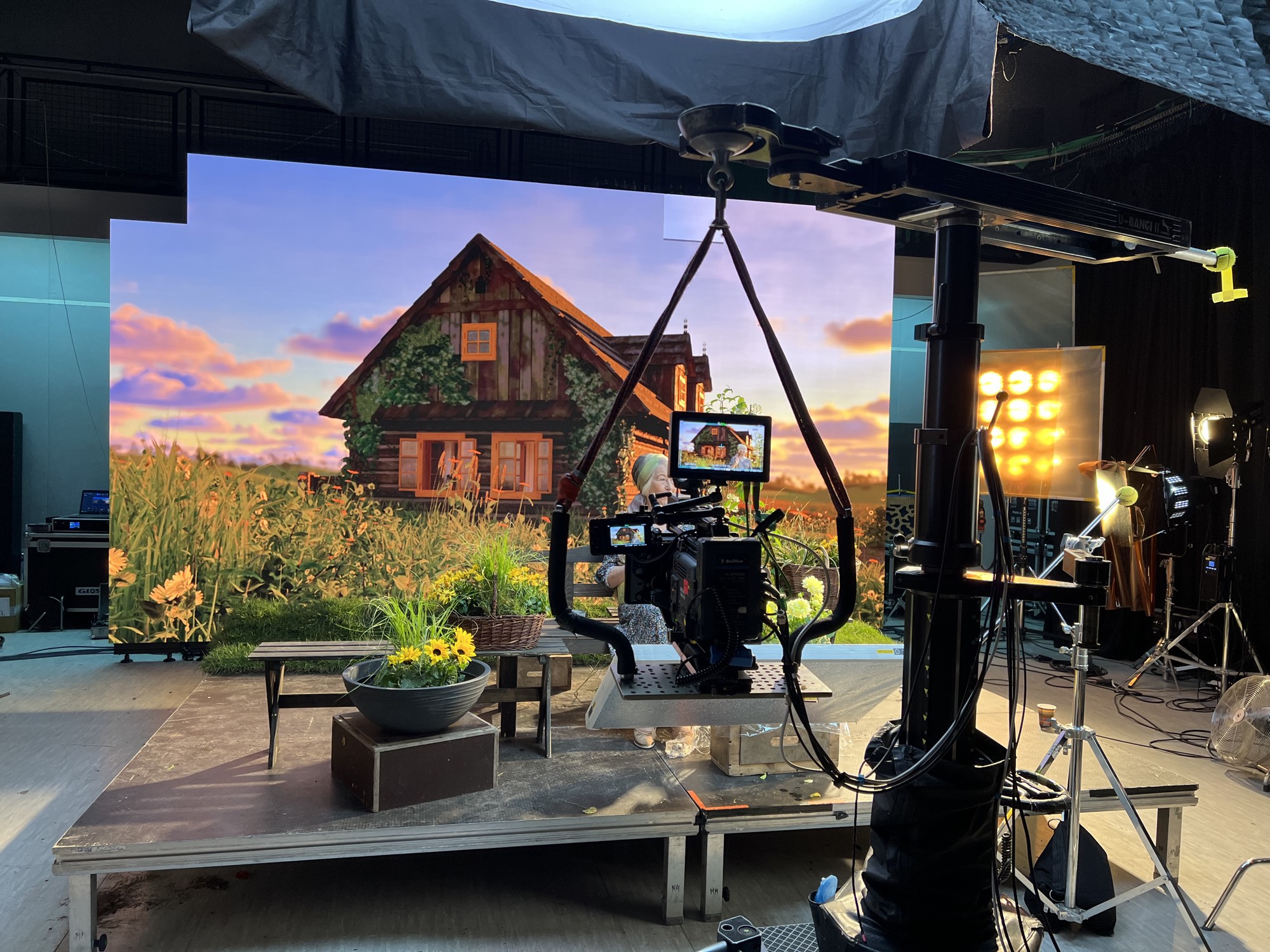
Running it on the day
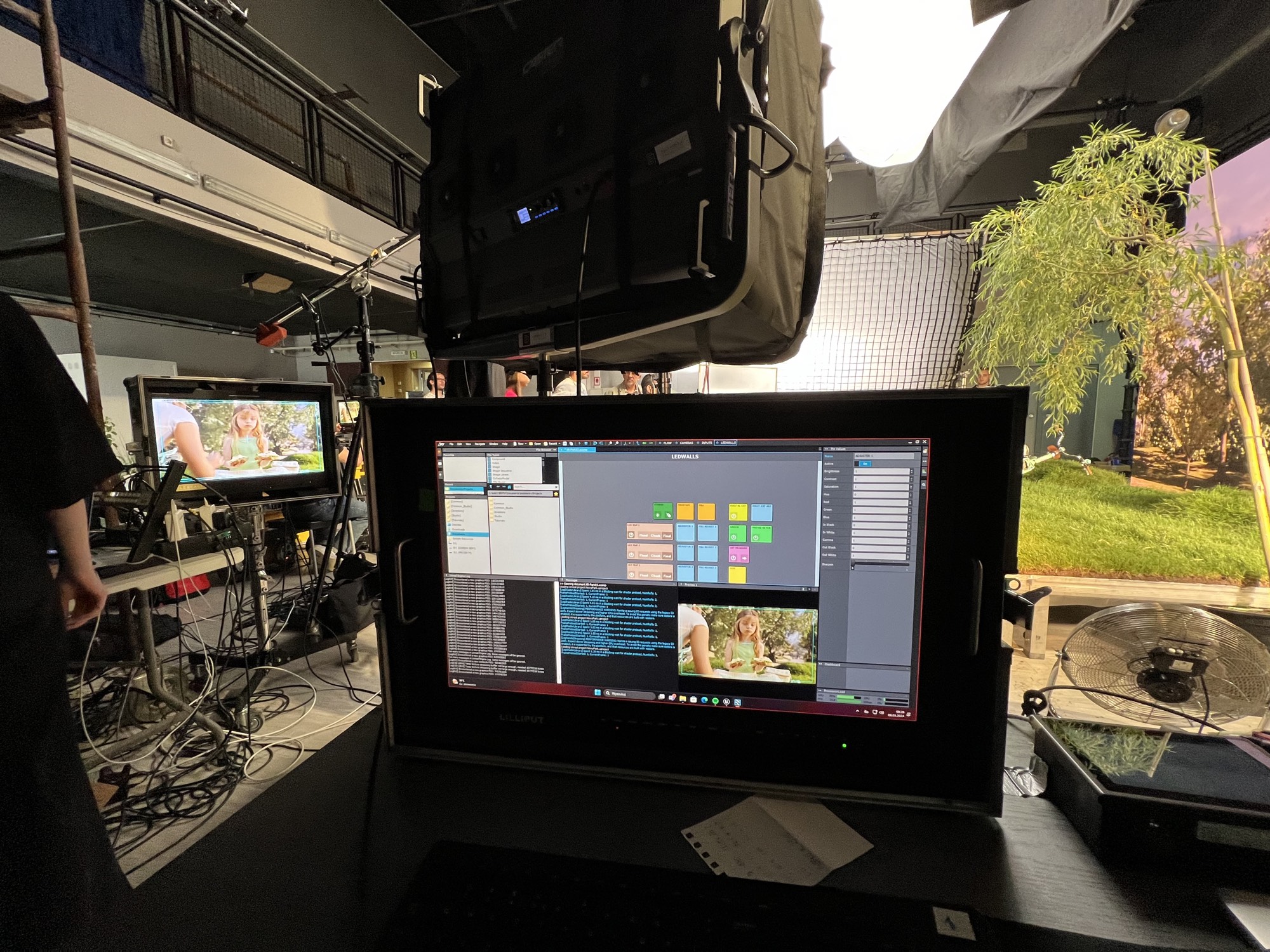
Aximmetry drives the wall and holds the controls that get touched constantly during a shoot: colour, brightness and how each LED cluster is fed. When the DP asks for a warmer sky or the sun a little lower, that request lands here and has to be answered in minutes.
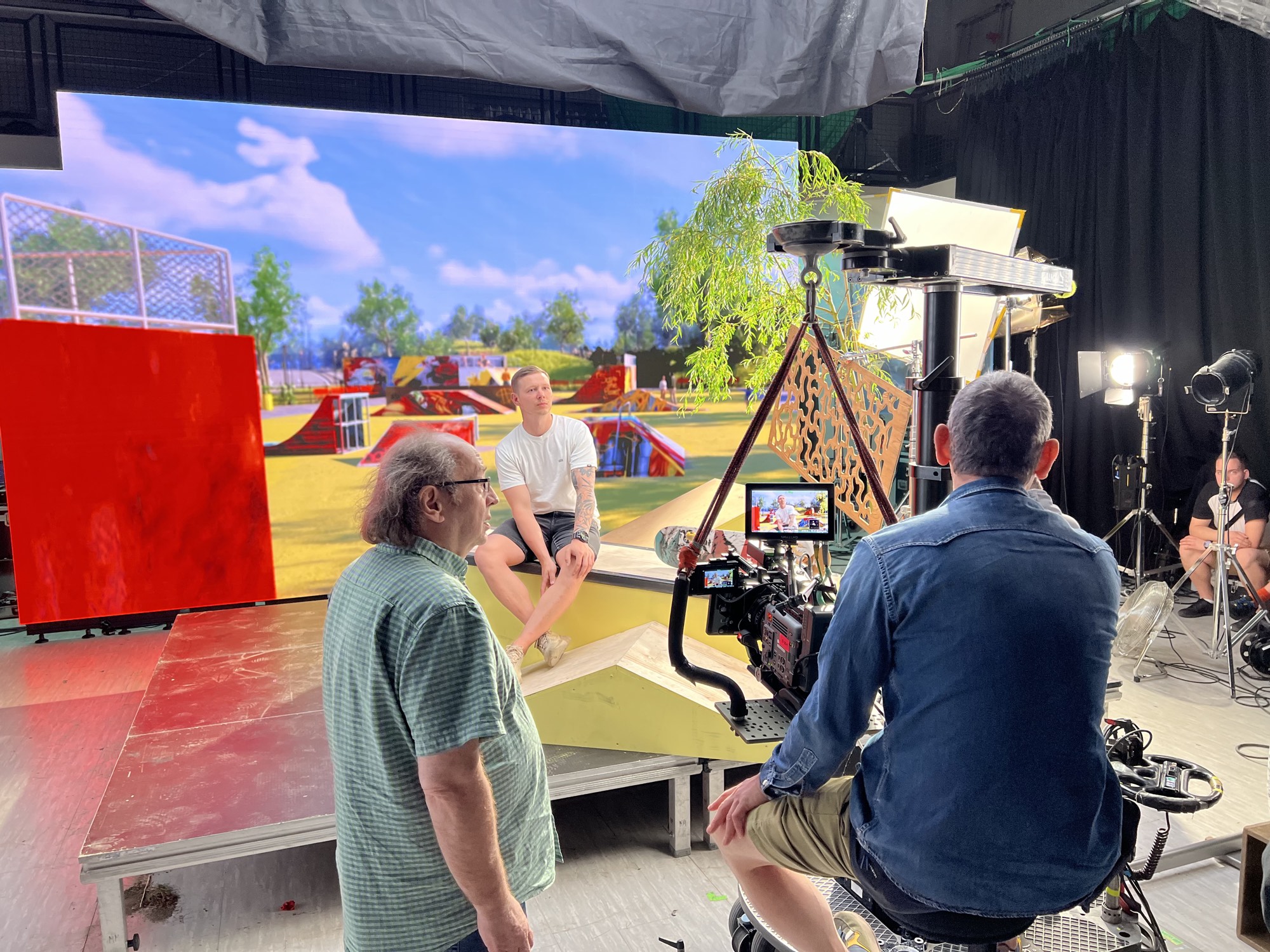
My role
I prepared the five virtual environments in Unreal Engine for XR LED production and worked on set during the shoot, making changes to the scenes as the direction and camera work evolved.
That second part matters more than it sounds: on an LED stage the environment is part of the photography, so adjustments have to happen while the crew waits. Being able to change the scene in the room, in minutes, is what keeps an XR shoot on schedule.
The five sets
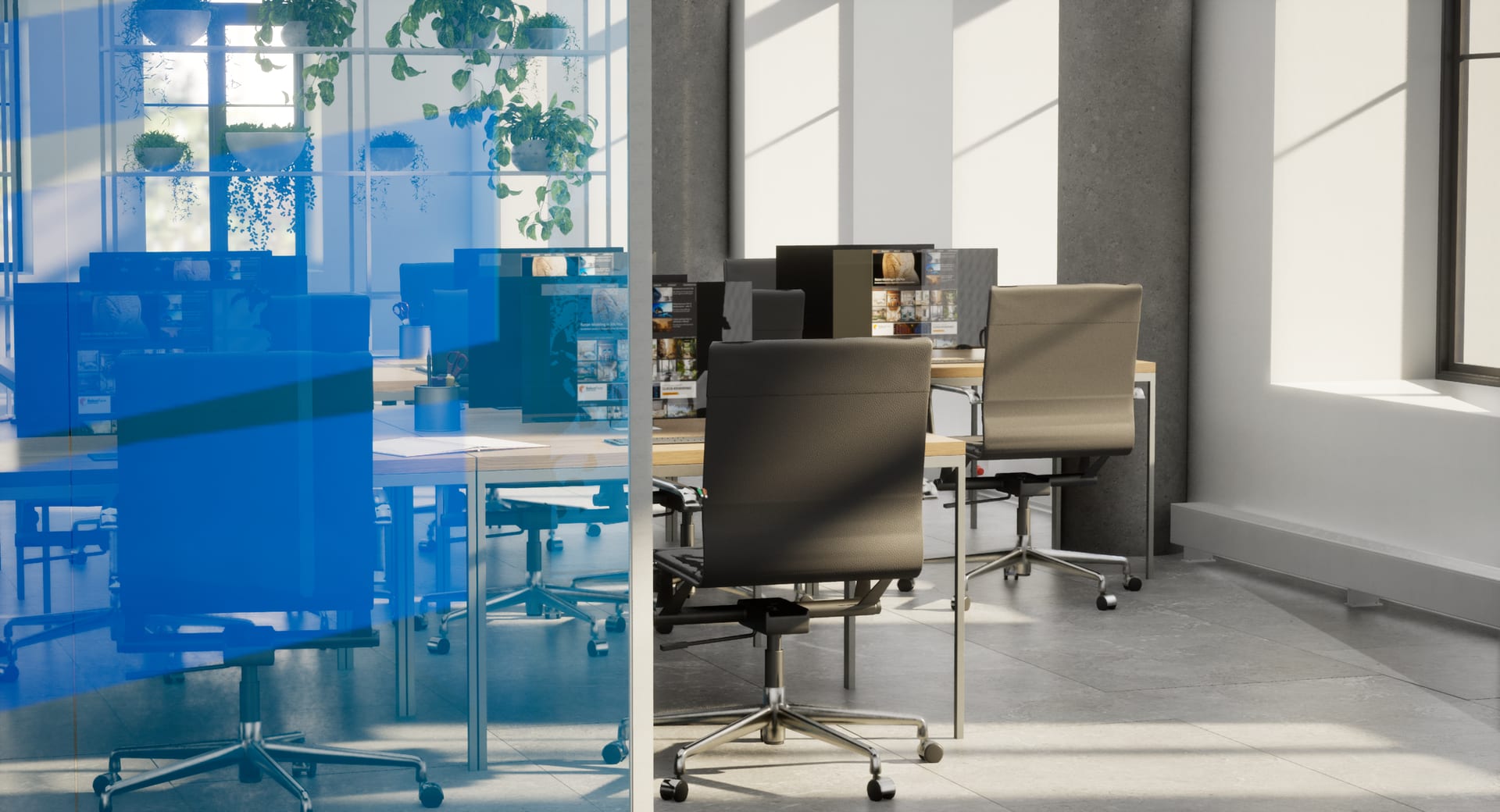
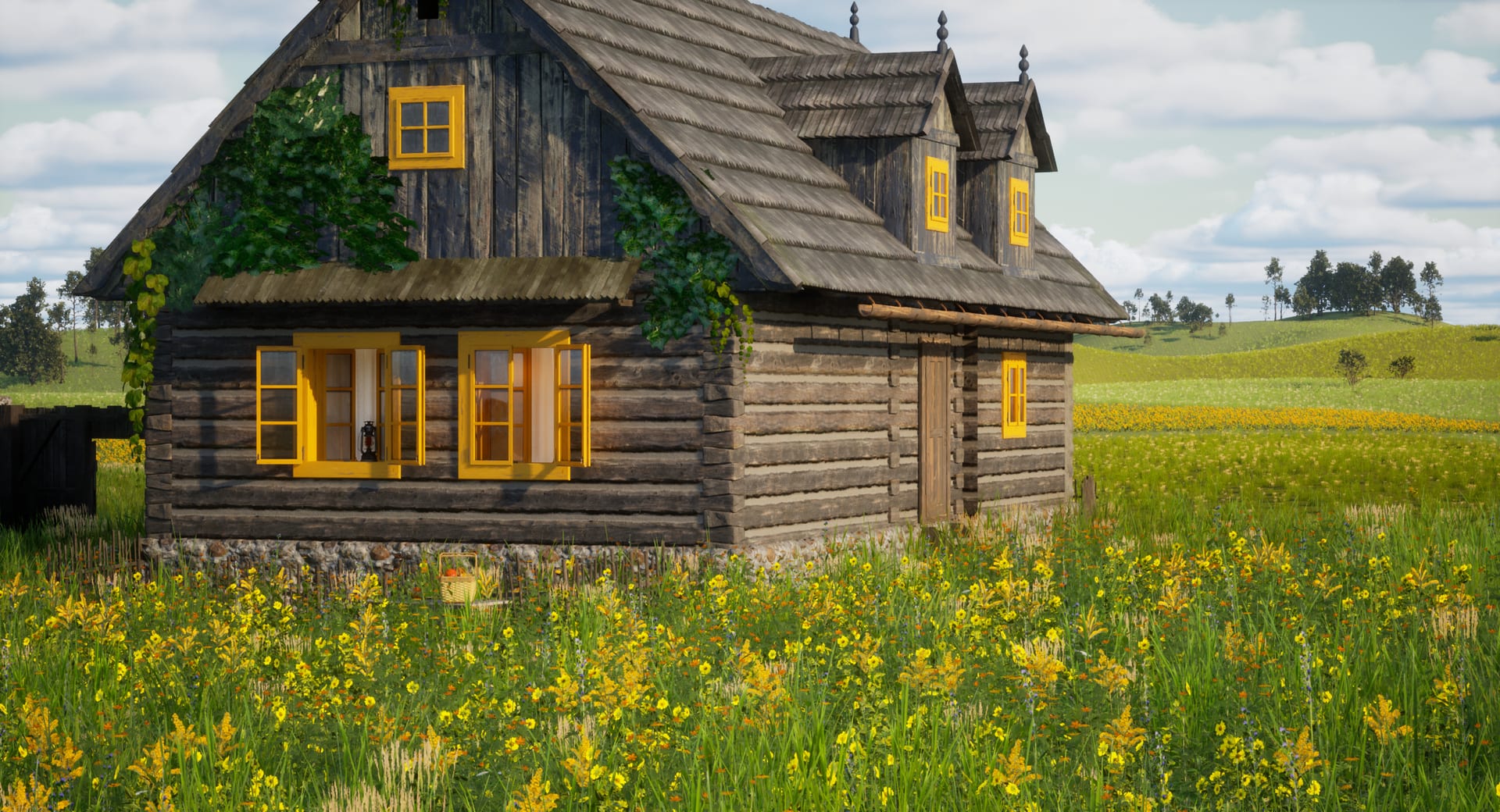
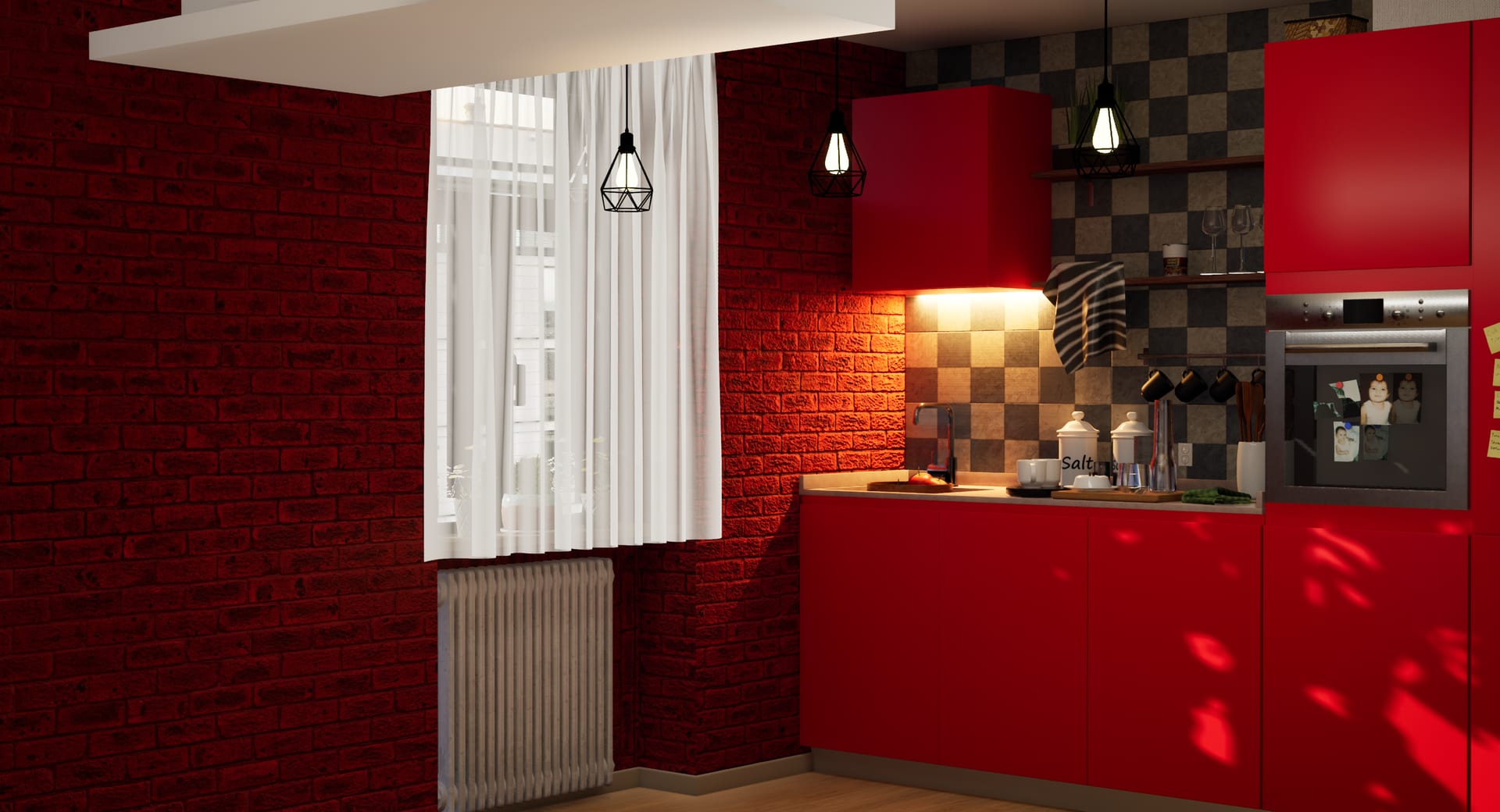
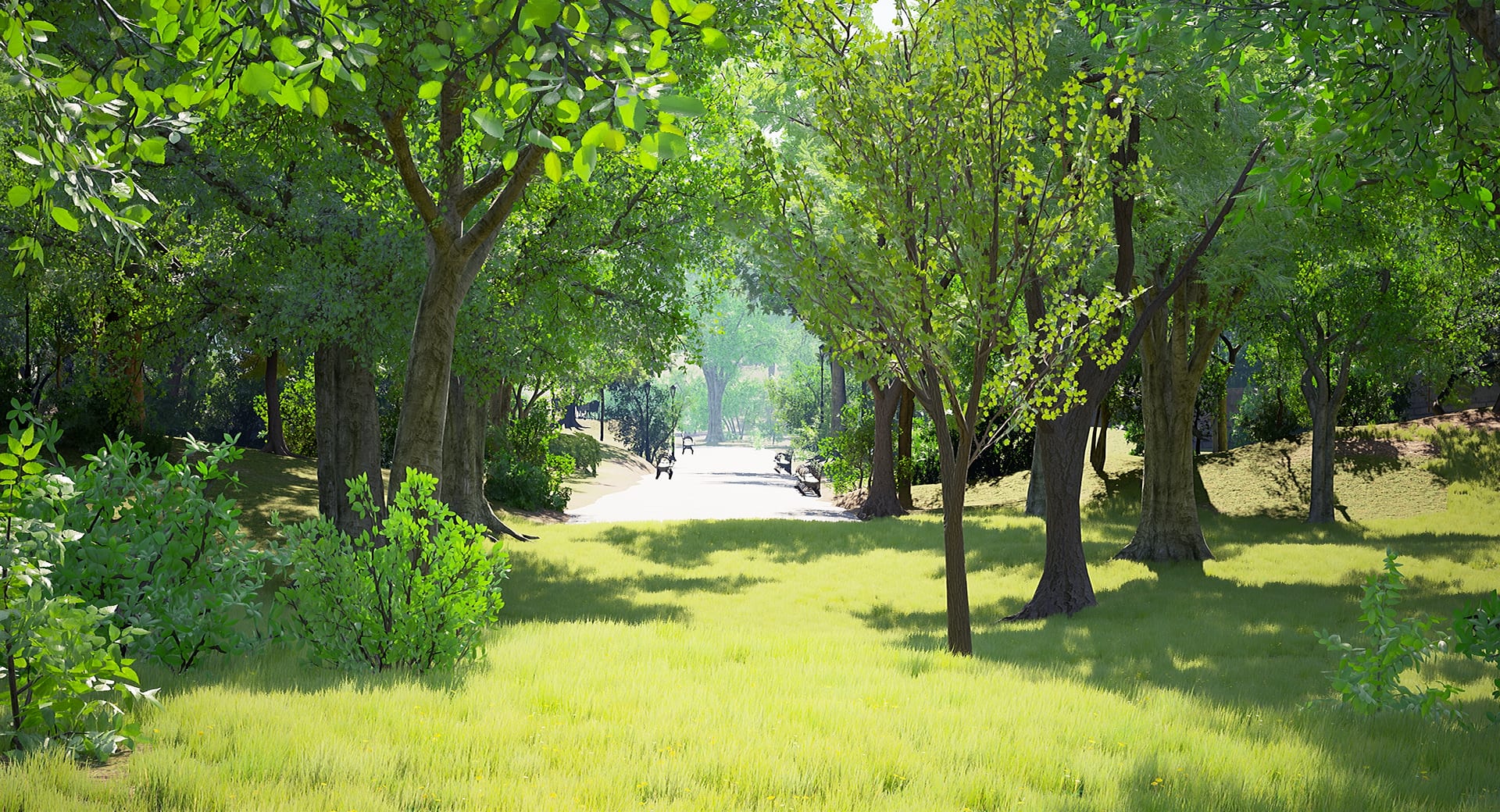
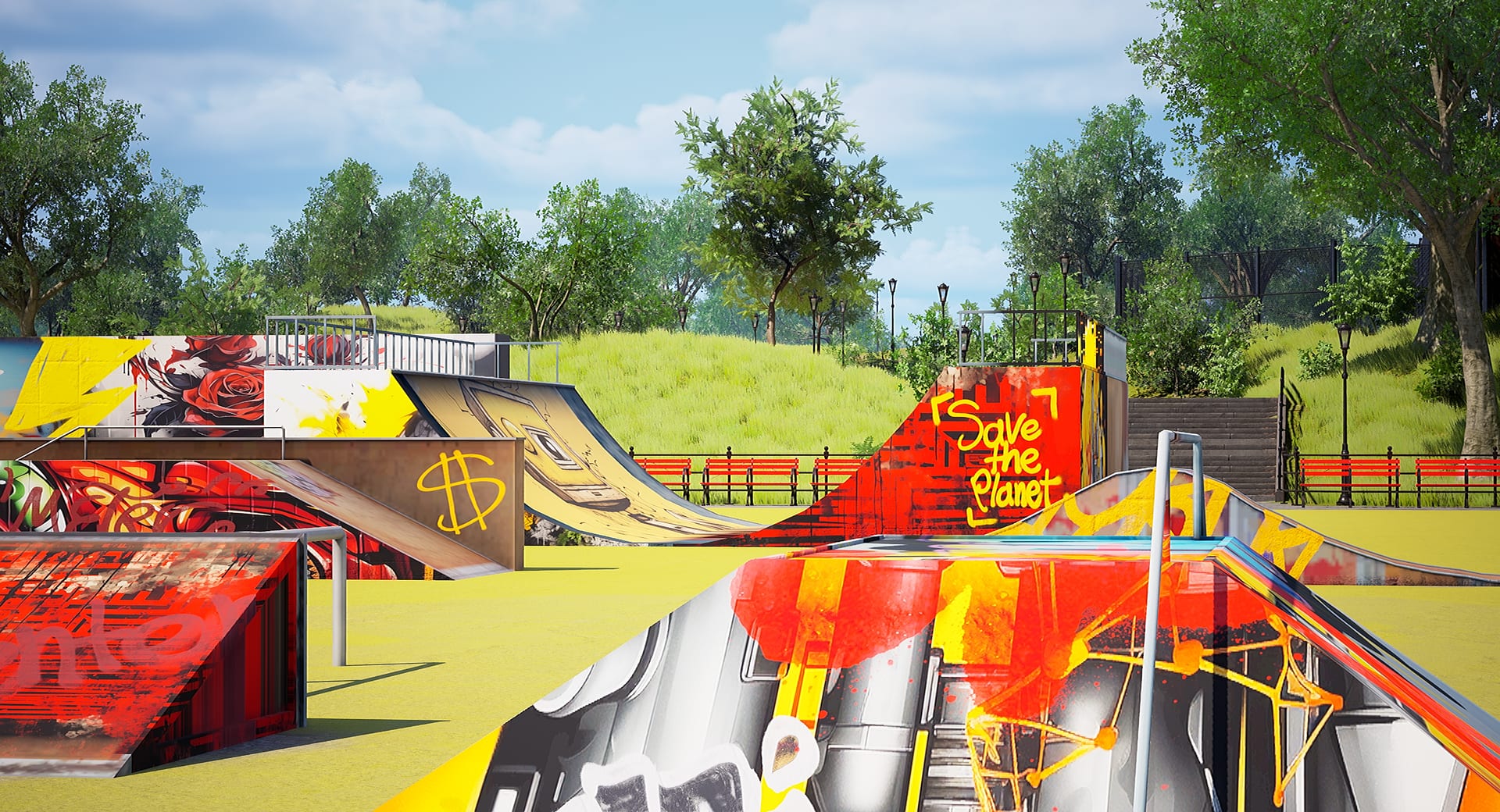
The renders below are the environments exactly as they went to the LED wall - framed from the camera position, at lens height. An office, a country cottage, a kitchen, a park and a skatepark: five different locations built and lit in Unreal Engine for a single production.
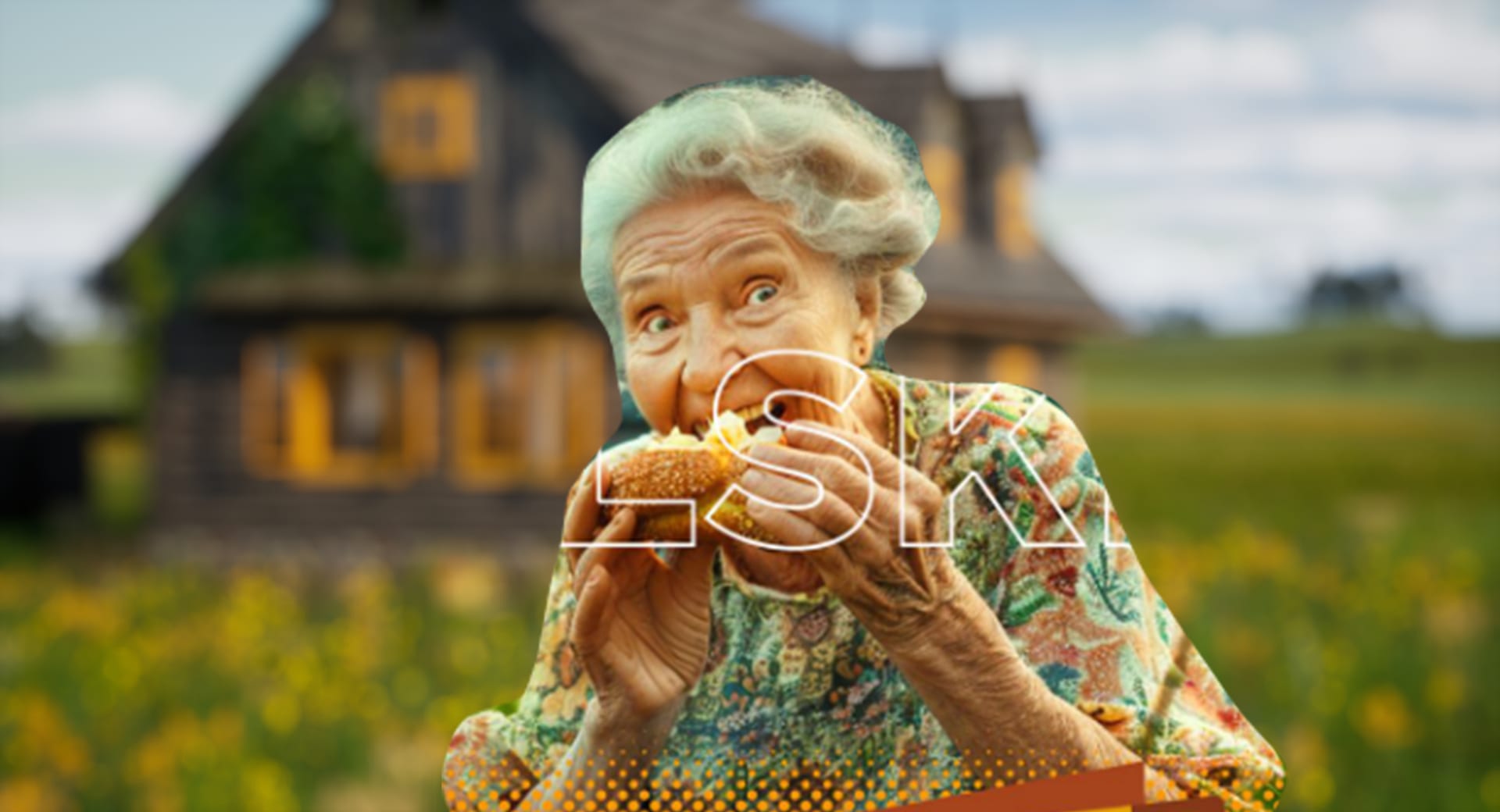
The same environments then carry the campaign frames - with talent composited into the scene and the background blurred to match the lens depth of field:
What the camera actually sees
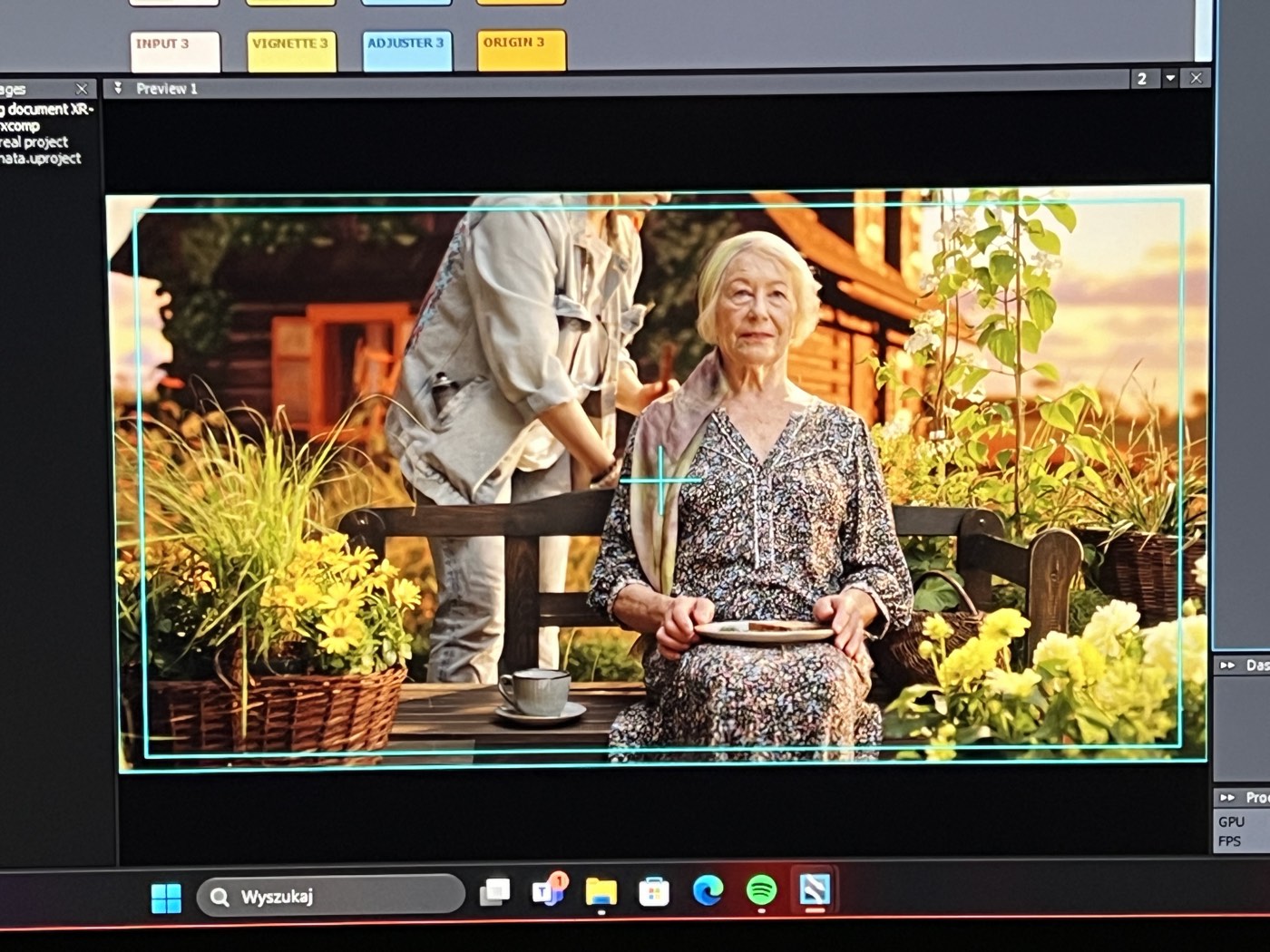
These monitor frames are the only place the work can be judged, because they show what the lens records rather than what the room looks like. The subject, the practical set and the engine environment all have to survive the same exposure.
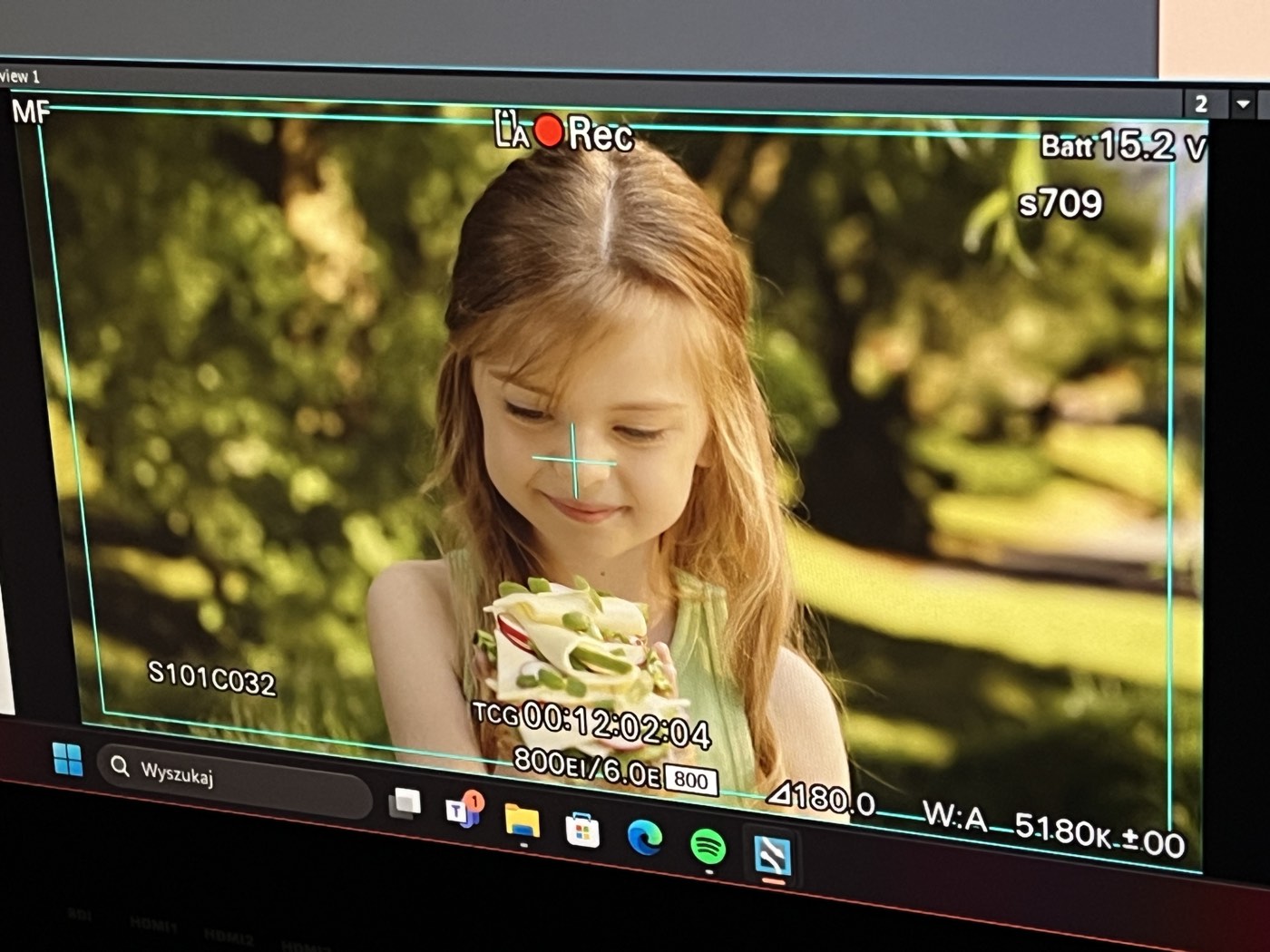
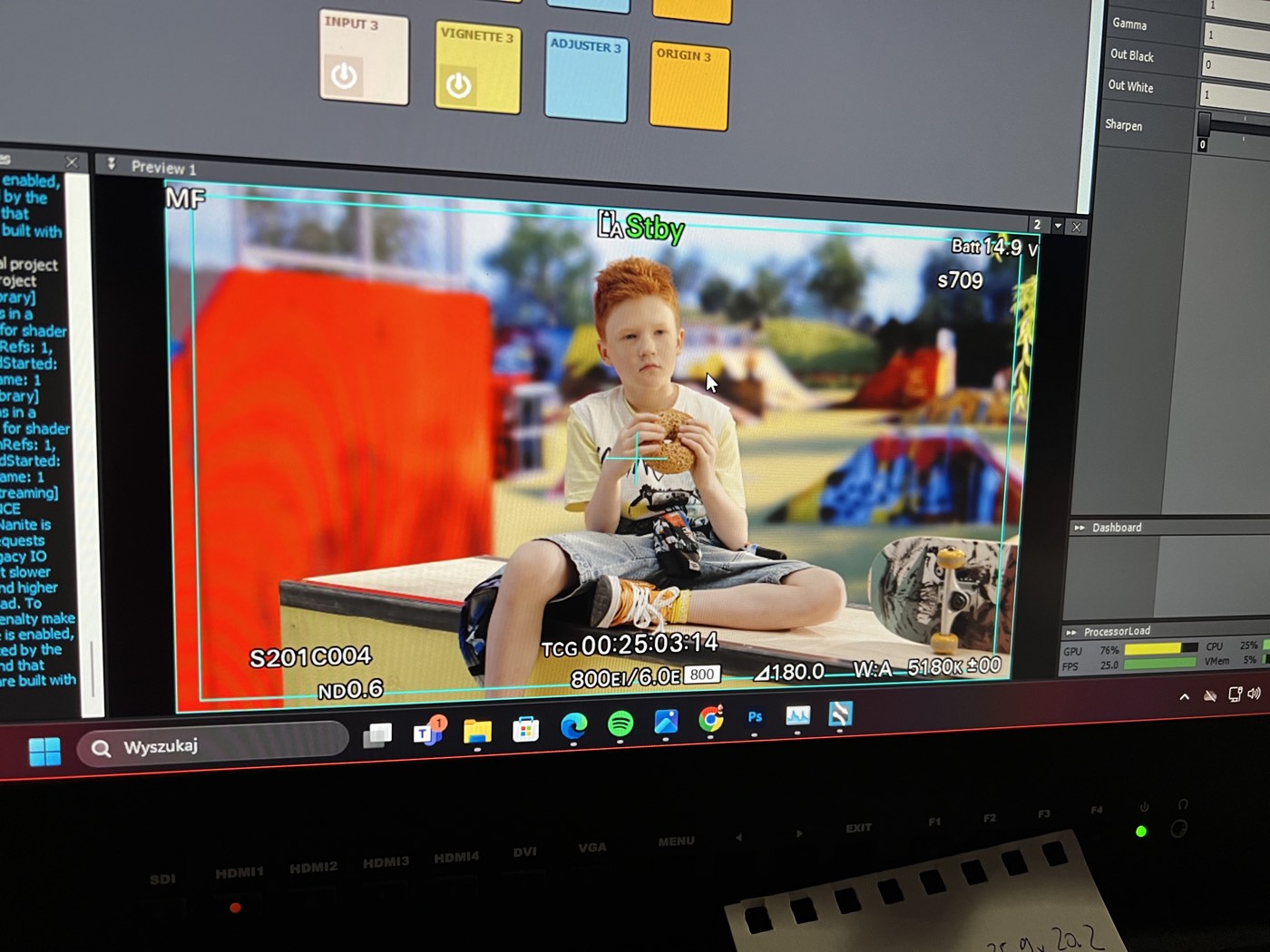
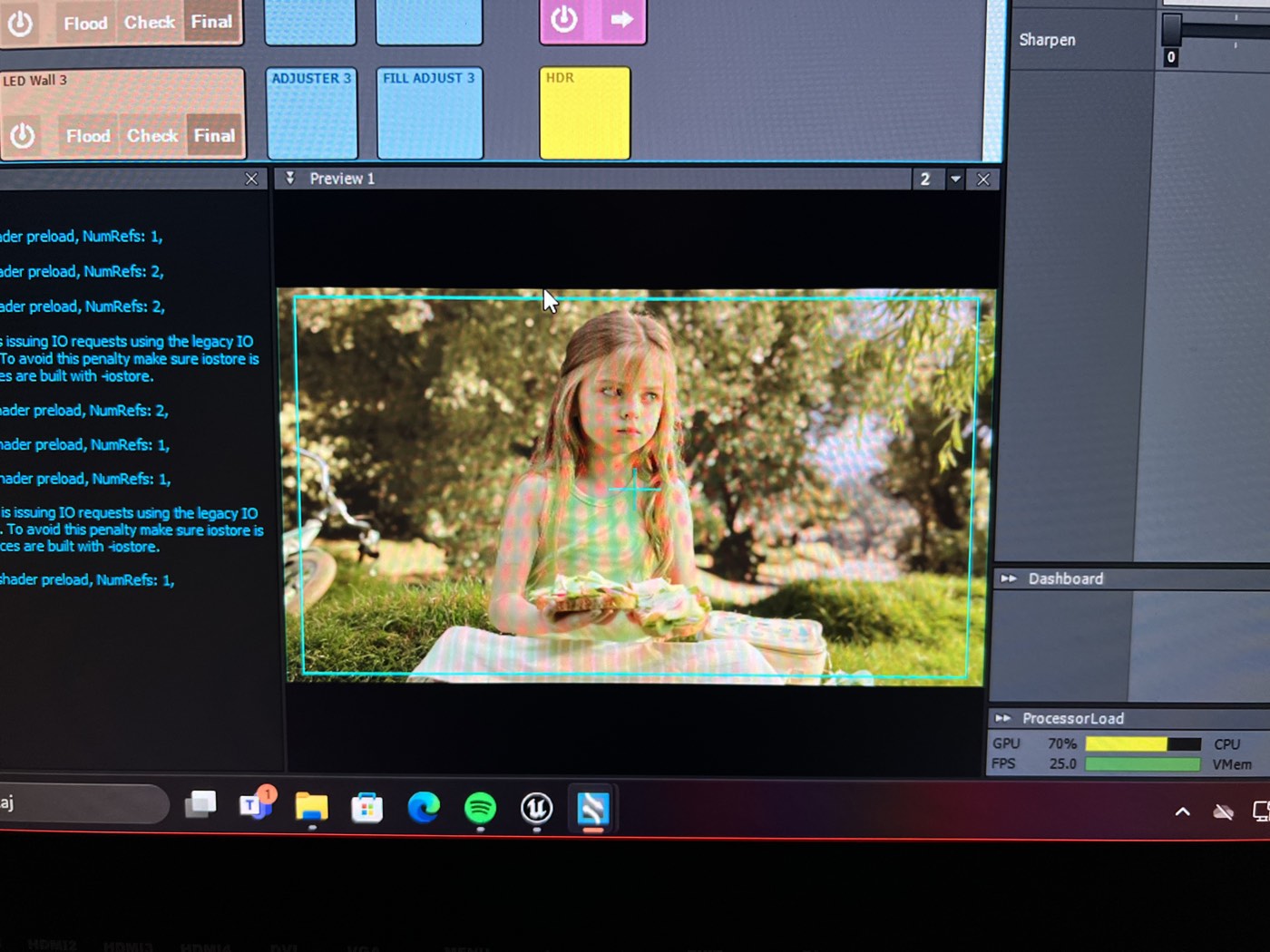
The last frame shows moiré: interference between the LED pixel pitch and the camera sensor. It is the artefact that decides how close the camera may come to the wall, and tuning around it - distance, focal length, focus, panel settings - is part of the job on the day.
Scope
- Five virtual sets built for XR LED production
- Environments matched to practical set pieces built out from the wall
- Camera-tracked real-time rendering through Aximmetry
- On-set scene modifications during the shoot